
How to Filter Well Water in Your Home
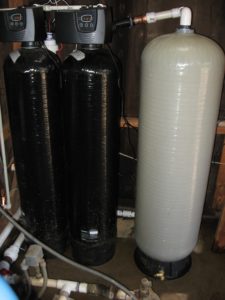
For many homeowners, well water provides a dependable and independent source of fresh water. However, unlike municipal water systems, private wells are not routinely monitored or treated by a public water utility. That means it is the homeowner’s responsibility to ensure the water is clean, safe, and free of harmful contaminants. If your home relies on a private well, installing a whole home water filtration system is one of the best ways to protect your family and improve your water quality.
Why Does Well Water Need to Be Filtered?
Well water naturally passes through layers of soil and rock before reaching your home’s plumbing. While this process can remove some impurities, it can also introduce minerals, sediment, bacteria, and other contaminants into your water supply. Depending on your location, well water may contain:
- Iron and manganese
- Sediment and sand
- Sulfur, which can cause a rotten egg odor
- Hard water minerals
- Nitrates
- Arsenic
- Lead
- Bacteria such as E. coli
- Viruses and parasites
- Agricultural runoff or other environmental contaminants
Many of these contaminants cannot be detected by sight, taste, or smell. Even if your water appears crystal clear, it may still contain substances that affect your health or damage your plumbing and appliances over time.
Start with a Professional Water Test
The first step in selecting the right well water filtration system is understanding exactly what is in your water. A comprehensive laboratory water test will identify contaminants and provide recommendations for treatment.
A state-certified testing laboratory can analyze your water for bacteria, heavy metals, nitrates, hardness, pH, and other common well water concerns. You can also contact the Environmental Protection Agency’s Safe Drinking Water Hotline for guidance on locating certified testing resources.
Testing your well water every year—or anytime you notice changes in taste, odor, or appearance—is an important part of maintaining a safe water supply.
Next, find a state-certified testing lab to have your well water tested. To find a lab, call the Environmental Protection Agency’s Safe Drinking Water Hotline at 800-426-4791. Send or take a sample of your well water to the lab you found. It will provide you with a consumer confidence report, which will let you know what types of contaminants are found in your well water.
Finally, look for whole house water filters that remove the type of contaminants found in your water.
Choose a Whole Home Water Filtration System
Once your water has been tested, the next step is selecting a filtration system designed to remove the specific contaminants found in your well.
A whole home water filtration system treats water as it enters your home, providing cleaner water to every faucet, shower, bathtub, appliance, and outdoor connection. Unlike small faucet filters or countertop systems that only treat drinking water, a whole home system improves water quality throughout your entire house.
Depending on your water test results, your system may include:
- Sediment filtration
- Activated carbon filtration
- Iron and sulfur removal
- Water softening or conditioning
- UV disinfection
- Reverse osmosis for drinking water
- Specialty media designed for arsenic or nitrate removal
Because every well is different, there is no one-size-fits-all solution. A customized treatment system delivers the best long-term results.
Enjoy the Benefits of Cleaner Water
Installing a whole home water filtration system provides benefits beyond better-tasting drinking water.
Filtered well water can help:
- Improve the taste and odor of your water
- Reduce staining caused by iron and manganese
- Protect plumbing fixtures and appliances
- Extend the life of water heaters and dishwashers
- Reduce sediment buildup
- Produce cleaner laundry
- Leave skin and hair feeling softer
- Provide greater confidence in your family’s water quality
For homeowners who rely on private wells, investing in professional water treatment also provides valuable peace of mind knowing every drop of water entering the home is being properly treated.
Trust Superior Water for Your Well Water Needs
Every well water system is unique, and choosing the right filtration equipment starts with understanding your water quality. At Superior Water, our experienced team helps homeowners identify water problems and recommend customized filtration solutions designed specifically for their homes.
Whether your well water contains sediment, iron, sulfur, bacteria, or other contaminants, we can help you select a whole home water filtration system that delivers cleaner, healthier water for your entire family.
Frequently Asked Question
Why should I install a whole home water filtration system instead of a filter at my kitchen sink?
A kitchen sink filter only treats the water you drink from one faucet. A whole home water filtration system treats all the water entering your home, providing cleaner water for drinking, cooking, bathing, laundry, and protecting your plumbing and appliances. Learn more about Superior Water’s Whole Home Water Filtration Systems to find the right solution for your home’s water quality.
Superior Water can help you with your well-water filtering needs. Contact us today.